
A Milestone Achievement: Biochar Production Approved in Nevada City
For years, open burning of excess biomass has been strictly prohibited within the city limits of Nevada City and Grass Valley due to air quality concerns and fire risks. Traditional burn piles, once a common method of vegetation management, were phased out in favor of safer, more environmentally responsible alternatives. This long-standing prohibition has made it challenging for land managers to address hazardous fuel buildup, increasing the risk of catastrophic wildfires.
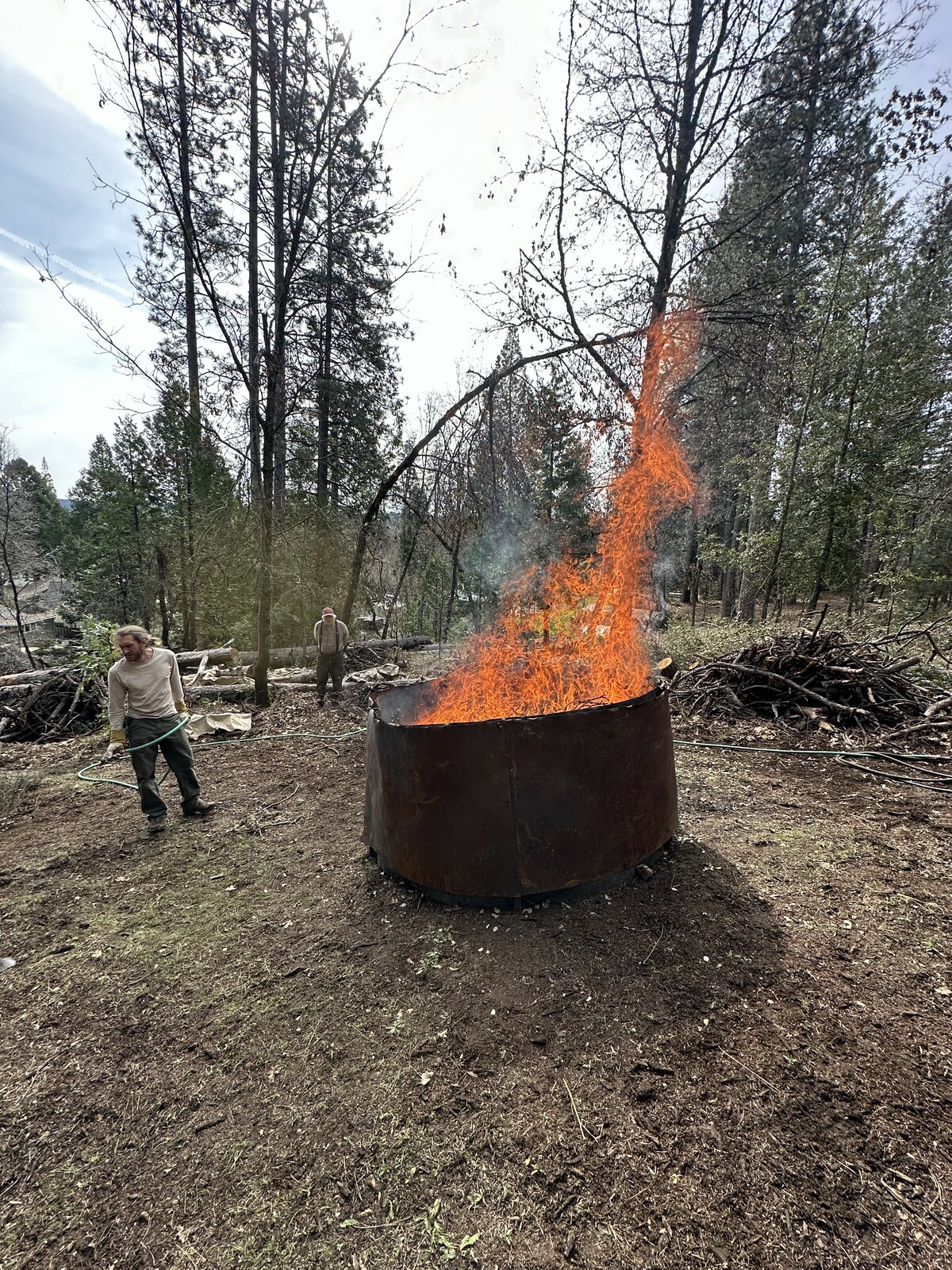
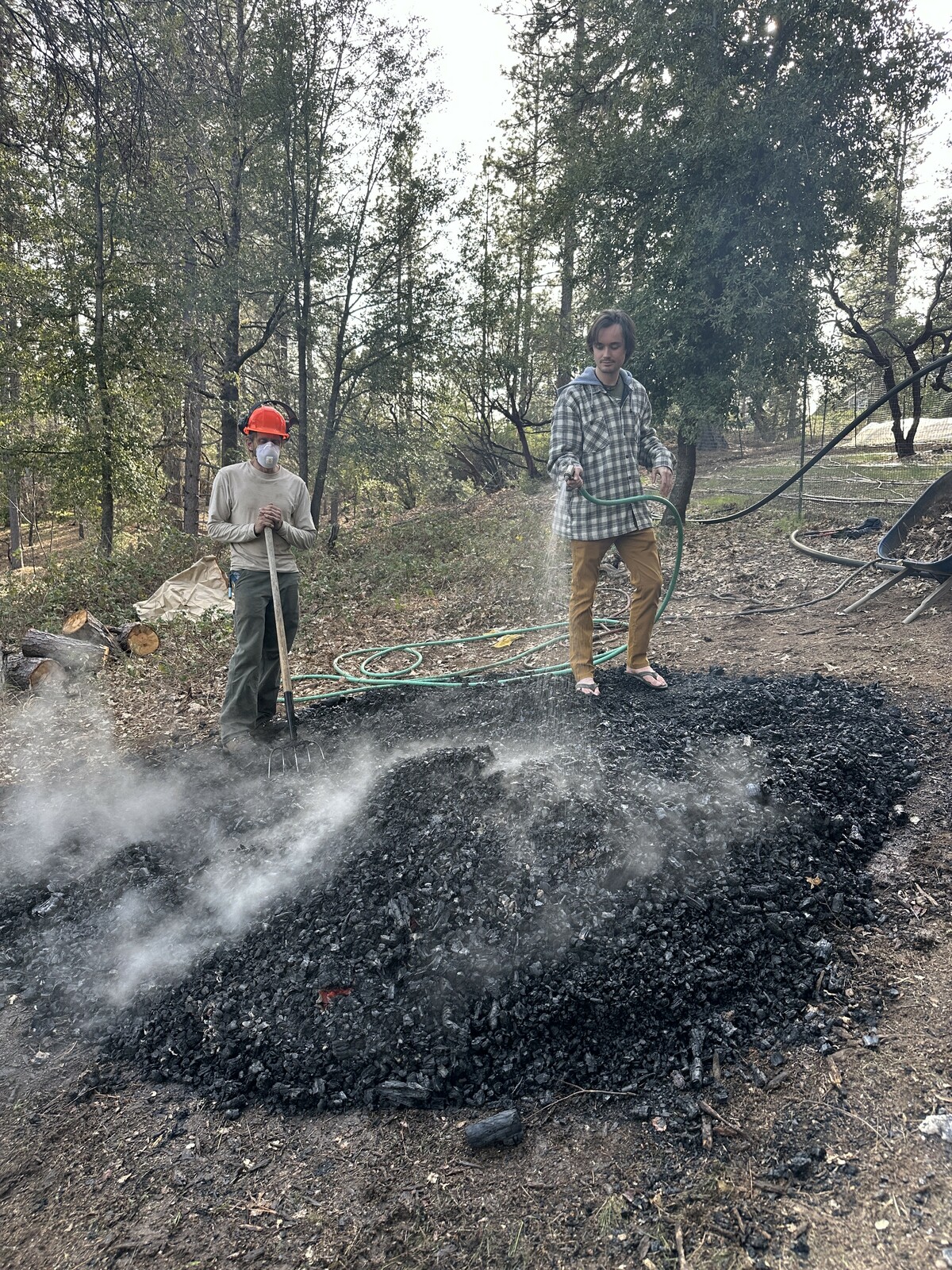
Now, with the launch of Nevada City’s Biochar Pilot Program, a groundbreaking exception has been made—marking a historic milestone in wildfire mitigation efforts. By allowing controlled biochar production within city limits, local leaders have recognized the critical need for innovative, low-emission solutions that both reduce fire hazards and contribute to environmental restoration.
Unlike traditional open burns, biochar production utilizes high-temperature pyrolysis in a controlled environment, significantly reducing smoke and particulate emissions. This carbon-smart approach turns dangerous wildfire fuel into a long-term soil amendment, demonstrating that responsible fire-based land management can be both safe and beneficial.
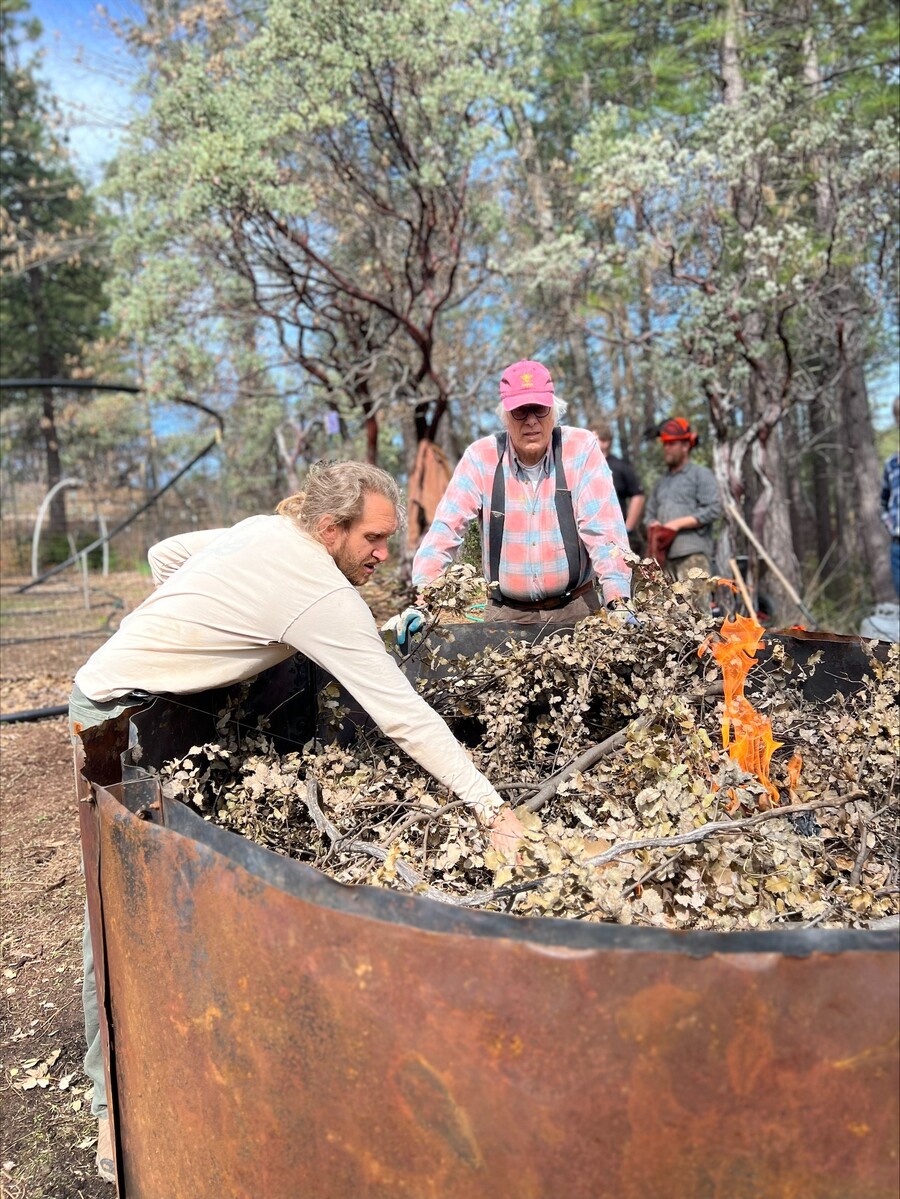
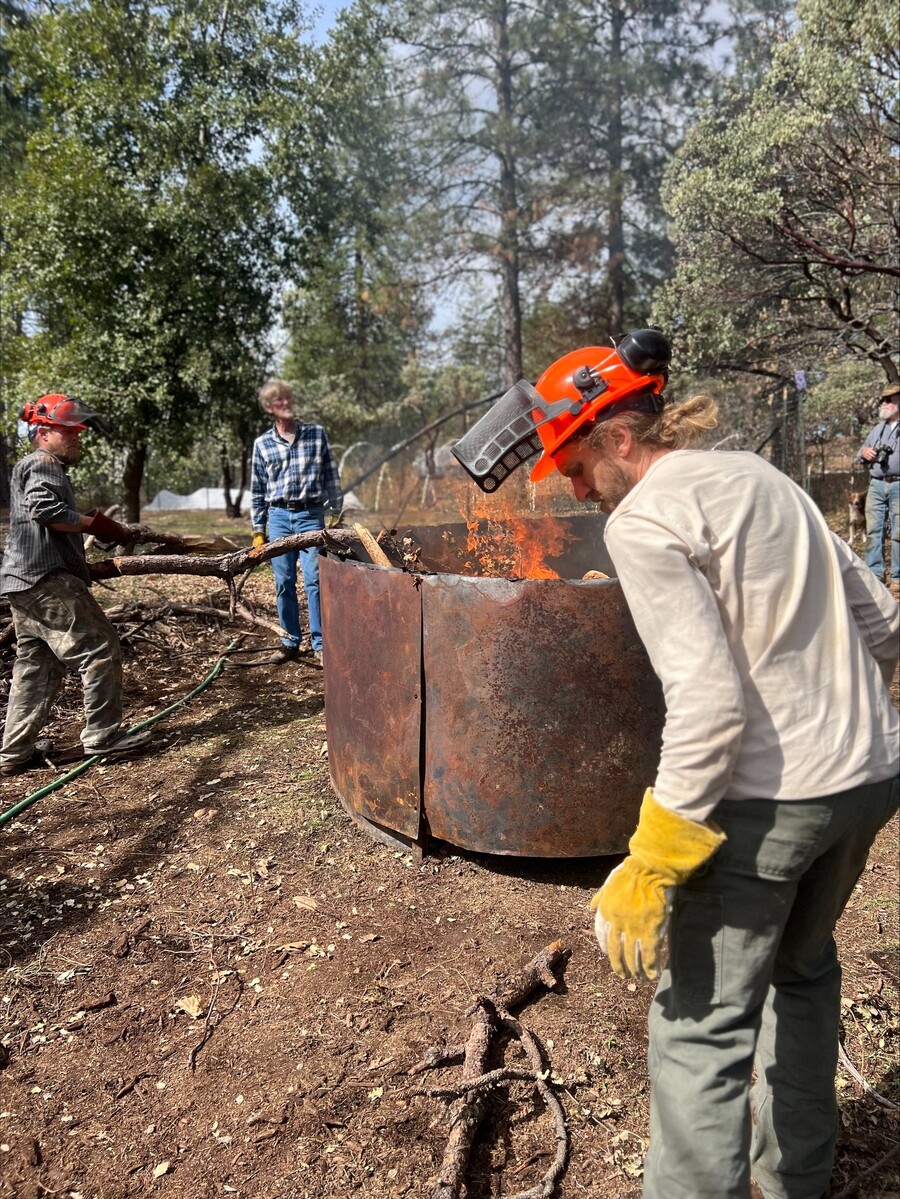
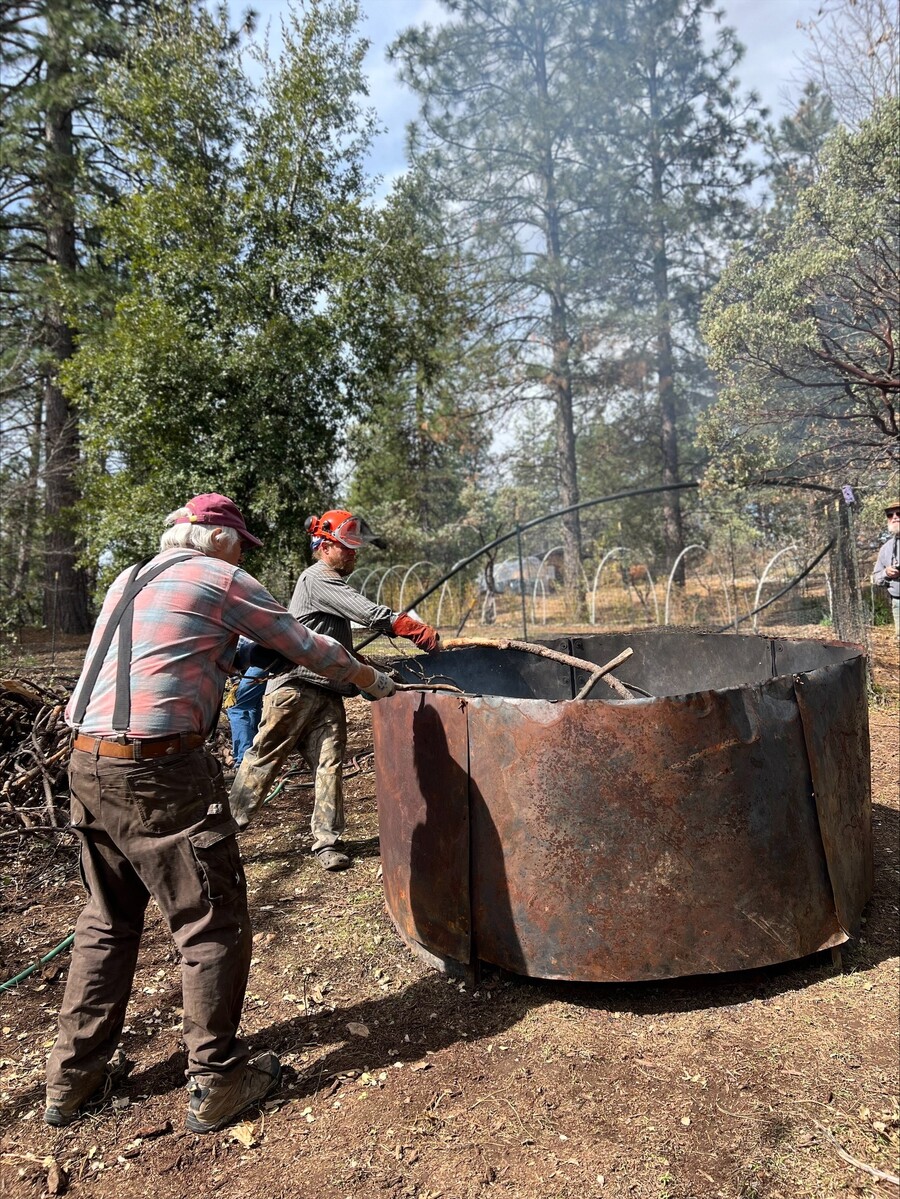
This decision sets a precedent for other fire-prone communities looking for alternative ways to manage hazardous fuels without violating air quality regulations or contributing to atmospheric carbon emissions. The approval of this program is not just about fire prevention—it represents a paradigm shift in how we think about land stewardship, regenerative agriculture, and climate resilience.
By embracing biochar production as a viable tool for wildfire risk reduction, Nevada City is leading the way in sustainable forestry and carbon sequestration, proving that progress and preservation can go hand in hand.