Forest Ranch Portable Kiln & Pit Firing + Training
Personal Protective Equipment (PPE) Requirements:
All operators must wear the following PPE to mitigate the risk of burns and injuries:
• Long Sleeve Shirt: Cotton or natural fibers.
• Pants: Cotton or natural fibers.
• Work Gloves: Leather, to protect hands.
• Eye Protection: To shield against sparks, embers and debris.
• Baseball Cap: To protect the head and face from heat and embers.
REGISTER HERE REQUIRED TO PARTICIPATE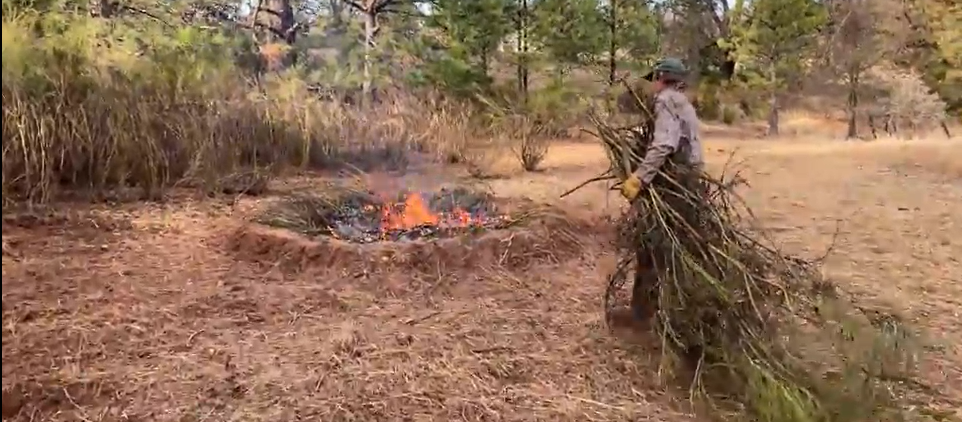
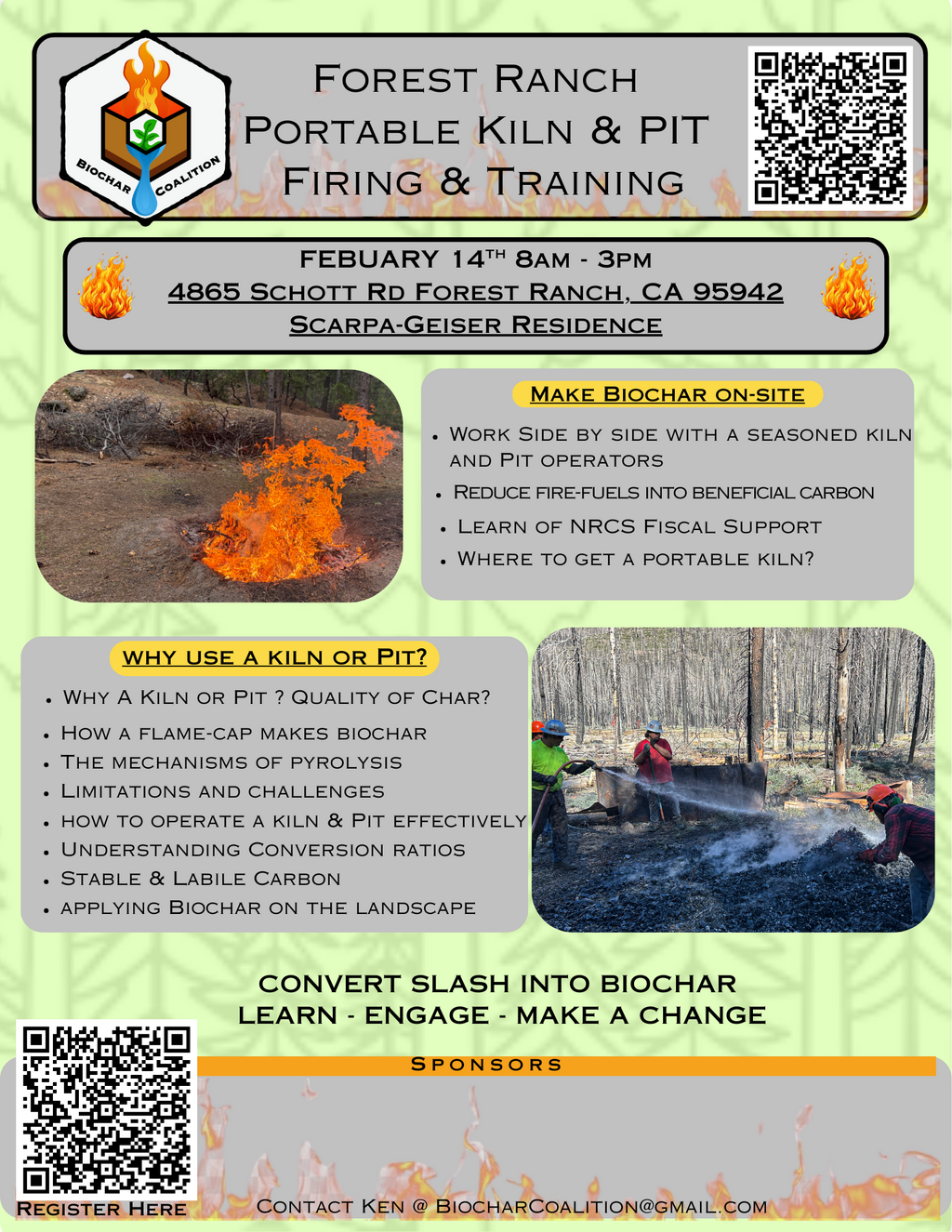
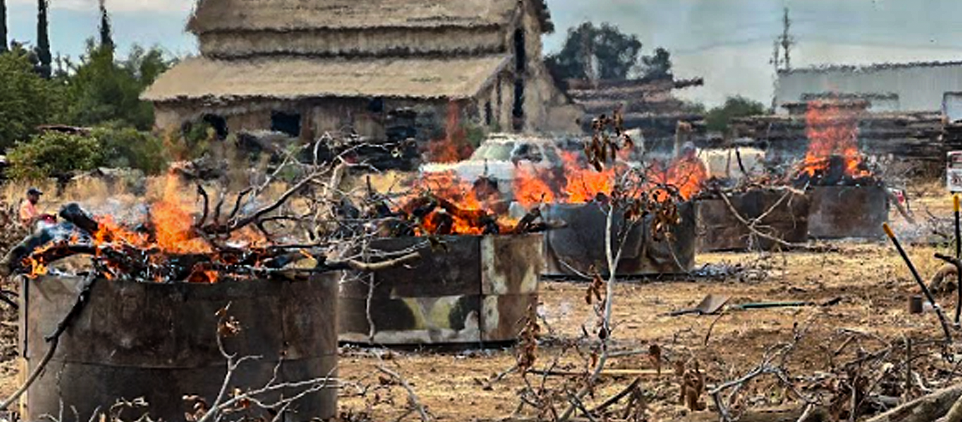
This hands-on, field-based training is designed to move biochar from concept to practice. Hosted by Biochar Coalition, the Forest Ranch Portable Kiln & Pit Firing & Training immerses participants in the real-world operation of flame-cap kilns and pit systems, demonstrating how forest and land management residues can be converted into high-quality biochar on-site.
Participants will work side by side with seasoned kiln and pit operators to actively process forest slash, observe live fire behavior, manage flame-cap systems, and safely quench and recover finished biochar. The event emphasizes practical decision-making in the field—feedstock selection, moisture management, burn timing, and operational tradeoffs—rather than controlled lab conditions.
What We’ll Be Doing On Site
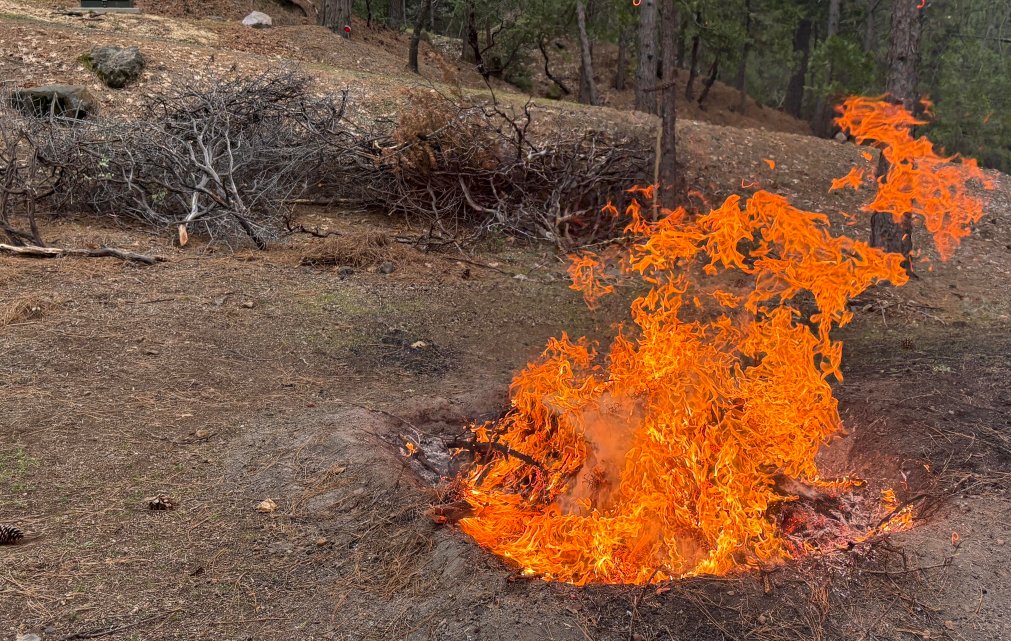
Live firing of portable flame-cap kilns and pit systems
Converting forest and defensible-space slash into biochar
Demonstrating safe ignition, flame management, and quenching
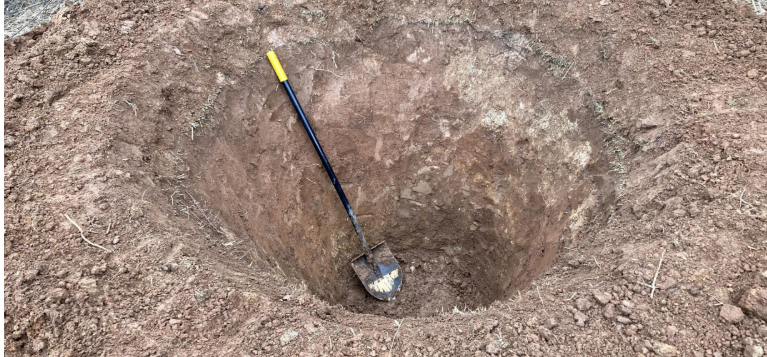
Comparing kiln vs. pit approaches in real field conditions
Discussing equipment options, sourcing, and scalability
Why Kilns and Pits?
Not all biochar is created equal. This training dives into why and when kilns or pits make sense, and what they do differently than open pile burning or chipping. Participants will gain a working understanding of:
How flame-cap systems create biochar while minimizing smoke
The mechanisms of pyrolysis and carbon stabilization
Quality differences in char based on method, temperature, and residence time
Conversion ratios from raw biomass to finished biochar
Stable vs. labile carbon and what that means on the landscape
Application, Not Just Production
Biochar only matters if it’s used well. The training includes discussion and demonstration of:
Applying biochar in forest and rangeland contexts
Charging and conditioning biochar
Using biochar to improve soils, water retention, and biological activity
Integrating biochar into fuels reduction and forest health strategies
NRCS and Programmatic Context
Participants will also learn how biochar fits into NRCS conservation practices, including:
Fuels reduction and biomass utilization pathways
Practice standards that support on-site biochar production
Where fiscal and technical assistance may apply
How landowners and practitioners can align projects with existing programs
Who Should Attend
This event is well-suited for:
Landowners and land managers
Fire Safe Councils and fuels reduction crews
Conservation district and agency staff
Forestry, rangeland, and agricultural practitioners
Community members interested in practical climate and land solutions
No prior biochar experience is required—this training meets participants where they are, from first exposure to seasoned operators looking to refine their approach.
What You’ll Leave With
A clear understanding of how to make biochar on-site
Practical knowledge of kiln and pit operation
A framework for choosing the right system for your land or project
Insight into program support and next steps
Hands-on experience you can’t get from a slide deck
Convert slash into biochar.
Learn by doing.
Engage with practitioners.
Make a tangible change on the landscape.