Scientific Research Articles - Papers - Publications
Big Box Biochar Kiln Operation and Best Practices
This study presents the design, operation, and field best practices for low-cost, mobile “Big Box” flame-cap biochar kilns that convert forest slash and hazardous fuels into stable biochar in-woods, enabling scalable wildfire risk reduction and long-term carbon sequestration with minimal smoke and equipment requirements
By : Darren J. McAvoy - Utah State University
Biochar: A Management Tool for Small Forest Landowners - UCANR NEWSLETTER
Author : UCANR
Biochar-Based Remediation of Heavy Metal-Contaminated Soils - Mechanisms, Synergies and Sustainable Prospects
-Author : Yuxin Wei, Jingjing Ma, Kuankuan Liu, Shuai Zhang and Junqi Wang
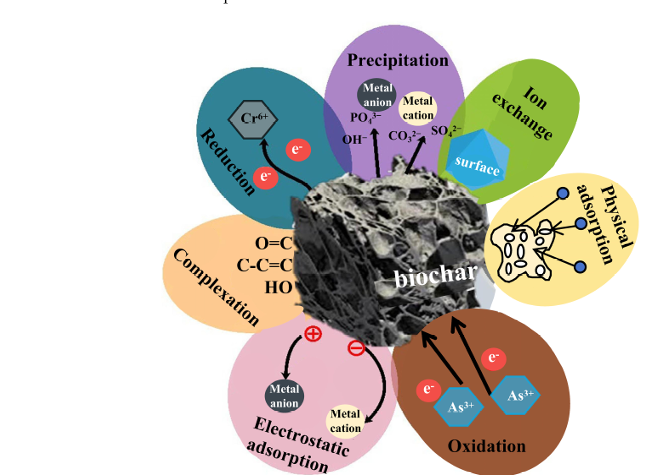
This study examines how biochar can be used to remediate soils contaminated with heavy metals by reducing their mobility, toxicity, and bioavailability. It reviews the underlying mechanisms through which biochar interacts with metals, including adsorption, ion exchange, precipitation, complexation, and redox reactions, while also exploring how factors like feedstock type and pyrolysis temperature influence its effectiveness. In addition to these direct interactions, the study highlights the synergistic role of biochar in improving soil properties and supporting microbial and plant-based remediation systems. Overall, it presents biochar as a promising, sustainable strategy for stabilizing contaminants and restoring ecological function in degraded soils, while also addressing current limitations and the need for further field validation.
Link
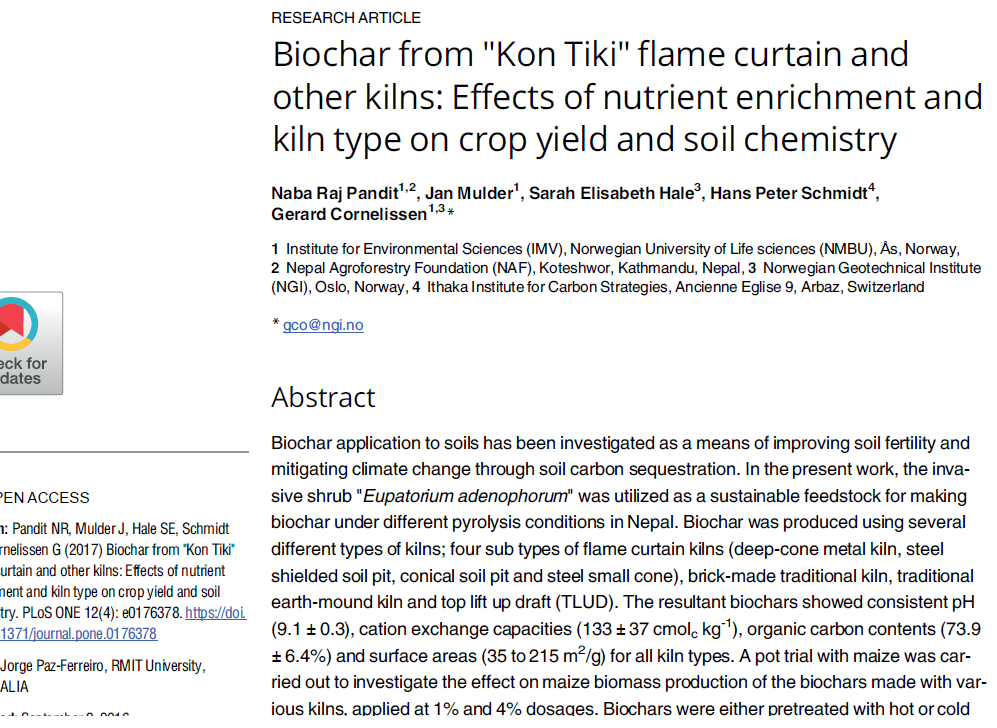
Biochar from "Kon Tiki" flame curtain and other kilns: Effects of nutrient enrichment and kiln type on crop yield and soil chemistry
Authors : Naba Raj Pandit, Jan Mulder, Sarah Elisabeth Hale, Hans Peter Schmidt, Gerard Cornelissen
Institute for Environmental Sciences (IMV), Norwegian University of Life sciences (NMBU), Ås, Norway,
Nepal Agroforestry Foundation (NAF), Koteshwor, Kathmandu, Nepal, 3 Norwegian Geotechnical Institute
(NGI), Oslo, Norway, 4 Ithaka Institute for Carbon Strategies, Ancienne Eglise 9, Arbaz, Switzerlan
This study investigates how biochar produced from different kiln technologies; including Kon-Tiki flame curtain kilns, traditional earth mounds, brick kilns, and TLUD systems; affects soil chemistry and crop productivity, while also examining how nutrient enrichment strategies influence these outcomes. The researchers compare biochar made under varying conditions and apply it to soil at different rates, testing its impact on properties such as pH, cation exchange capacity, and organic carbon, as well as its effect on maize growth. A key focus is determining whether kiln type significantly alters biochar performance and whether enriching biochar with nutrients before application enhances its effectiveness as a soil amendment. Overall, the study evaluates both the production method and post-processing of biochar as critical factors in optimizing agricultural benefits and soil restoration.
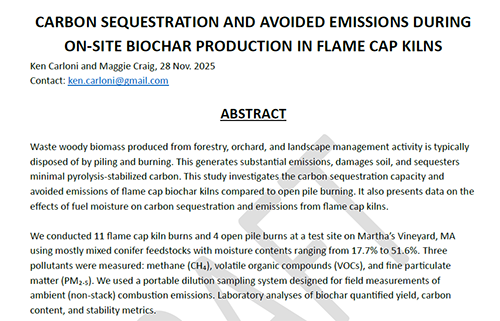
CARBON SEQUESTRATION AND AVOIDED EMISSIONS DURING ON-SITE BIOCHAR PRODUCTION IN FLAME CAP KILNS
Author : Ken Carloni and Maggie Craig, 28 Nov. 2025
Contact: [email protected]
This study evaluates air emissions generated during biochar production using flame curtain kiln systems under real operating conditions, with a focus on understanding combustion efficiency and environmental impact. The researchers measured key emission outputs; including carbon monoxide (CO), carbon dioxide (CO₂), methane (CH₄), and particulate matter; during active burns to assess how effectively the system combusts pyrolysis gases and minimizes harmful byproducts. A central objective of the study is to determine whether flame curtain-style kilns can achieve cleaner combustion compared to other methods, while still producing stable biochar. Overall, the study provides field-based emission data to clarify how operational practices and kiln design influence both air quality impacts and the carbon balance of biochar production, contributing to the broader evaluation of low-tech biochar systems as viable, environmentally responsible solutions.
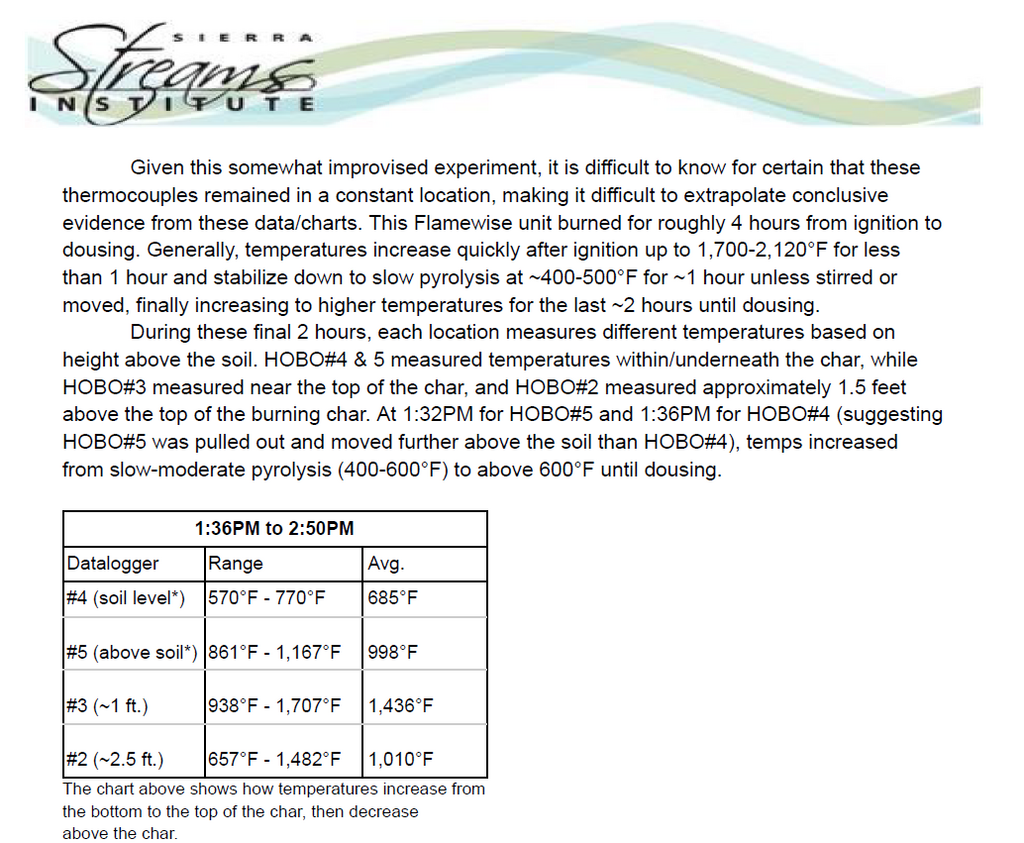
HOBO Thermocouple Dataset – Sierra Streams - NCSA Biochar Coalition Demo (12/13/25).
-Author : Christian Noack, SSI Forest Ecologist
https://sierrastreamsinstitute.org/
This report documents a live temperature monitoring study of two biochar kiln systems—the Flamewise unit and a Mini Ring of Fire—conducted during the NCSA Biochar Coalition demo on 12/13/25. Using multiple HOBO thermocouples placed at different elevations (from soil level to above the char column), the team tracked burn dynamics from ignition to dousing, capturing peak temperatures exceeding 2,100°F and mapping how heat stratifies throughout the kiln. The findings reveal distinct burn phases, differences in airflow and pyrolysis intensity between units, and important insights into soil-level heat impact, char quality, and equipment setup improvements. This real-world data offers a rare, practical look at how biokiln design and management influence temperature behavior—and ultimately, biochar outcomes.
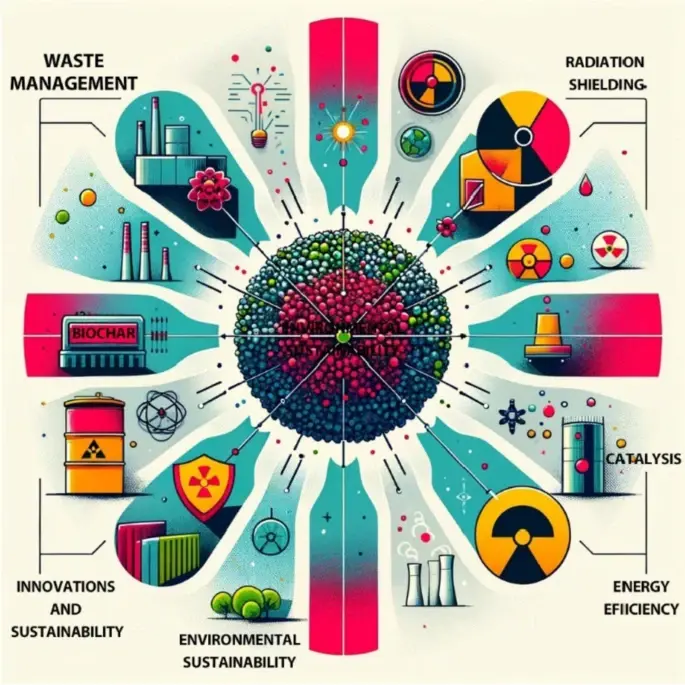
Innovative applications of biochar in nuclear remediation and catalysis
Authors : Mojtaba Kordrostami1* and Ali Akbar Ghasemi‑Soloklui1
Abstract
Emphasizing its potential for environmental sustainability, this review investigated how biochar—a carbon-rich material obtained from biomass pyrolysis—might be used into nuclear science and technology. High surface area, porosity, and functional groups give biochar special adsorption capacity, which qualifies it as a potential instrument for radiation cleanup and improving energy economy in nuclear uses. From the historical development of nuclear physics to the creative application of biochar in nuclear waste management and radiation shielding as well as its contribution to sustainable nuclear energy, the study covers several spheres. Biochar presents amazing efficiency in adsorbing
and immobilizing radionuclides in the field of nuclear waste management, therefore establishing itself as a viable substitute for more traditional approaches. Its uses cover handling of high-level radioactive materials as well as treating low-level radioactive effluents. The paper also looks at using biochar as radiation shielding since its carbonaceous character produces strong, light-weight protective barriers. Using controlled pyrolysis and later changes, the paper
addresses advanced manufacturing processes for customizing nuclear-grade biochar for particular uses. Within the nuclear industry, economic studies emphasize the affordability and possible financial gains of biochar, as well as its market potential and commercialization techniques. Lifetime analysis helps to evaluate environmental effects
and sustainability by stressing the part of biochar in carbon sequestration and lowering of ecological footprints. The paper discusses safety and regulatory issues, how artificial intelligence and machine learning might be used for material optimization, and the limits and difficulties in using biochar. Practical case studies highlight its success in nuclear environments. The study ends by placing biochar as a major component in creating sustainable nuclear technology,
which calls for continuous research, cooperation, and creativity.
Producing, Characterizing and Quantifying Biochar in the Woods Using Portable Flame Cap Kilns
Kelpie J. Wilson1, Wihan Bekker2, Stephen I. Feher3
1 Wilson Biochar Associates, US Biochar Initiative 2 African Data Technologies (Pty) Ltd. 3 Sustainable Community Development Institute, Butte Community College
This document outlines the practical methods and underlying principles for producing biochar using flame cap kiln systems, with a focus on low-tech, field-based applications for land management and ecological restoration. It explains how flame carbonization works through a counter-flow combustion process, where rising gases are burned in a flame layer that both limits oxygen from reaching the forming char and reduces smoke emissions. The guide details step-by-step kiln operation; including setup, feedstock loading, flame maintenance, and quenching; while emphasizing the importance of maintaining a continuous flame cap to preserve carbon as biochar rather than allowing it to oxidize into ash. Overall, the document presents flame cap kilns as an efficient, scalable, and accessible method for converting woody biomass into stable carbon, particularly suited for on-site use in forestry, agriculture, and wildfire fuel reduction efforts.
Quantitative studies on charcoalification: Physical and chemical changes of charring wood
Authors : Gang Li & Linlin Gao & Fengwen Liu & Menghan Qiu &
Guanghui Dong
MOE Key Laboratory of Western China’s Environmental Systems, College of Earth & Environmental Sciences, Lanzhou University, Lanzhou 730000, China b Institute for Ecological Research and Pollution Control of Plateau Lakes, School of Ecology and Environment Science, Yunnan University, Kunming 650504, China
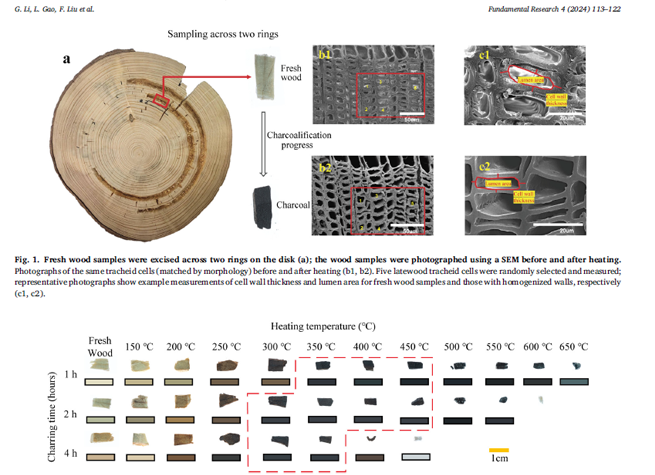
Charcoal is commonly preserved in both natural and artificial sediments, and is intensively used in paleonto- logical, paleoenvironmental, and archaeological studies due to the abundant bio-information it contains. The biochemical properties of charcoal are also used for paleoclimatic reconstruction; however, the reliability of this approach has been challenged due to a lack of clarity on how physicochemical properties change during the charring process, as well as the temperatures required for charcoalification. To address this lack, in this study, Qinghai spruce and Chinese pine wood samples from the northeastern Tibetan Plateau were heated at different temperatures and for different lengths of time under restricted oxygen conditions. The reflectance; carbon, nitro- gen, and oxygen content; and tracheid morphology were quantified before and after heating to assess changes related to the charring process. Archaeological charcoal remains were then evaluated to determine the char- coalification temperatures by comparing with the experimental results. The minimum temperature required for wood charcoalification was ∼300 °C, while temperatures recorded by archaeological charcoal were concentrated at 400–500 °C. During the charring experiments, the tracheid cell walls gradually homogenized, and tracheid cell wall thickness and lumen area decreased by ∼20%. On average, 50% mass losses were observed; the car- bon and oxygen content (% wt.) approximately changed from 47% to 60% and 48% to 35% respectively, while the nitrogen content (% wt.) fluctuated around 0.2%. The reflectance increased slightly from 0% to 0.5%. We propose that the charcoalification of wood tissue refers to charring (in restricted air) and carbonization (in the almost absence of air) when the wood is exposed to a heat source, which then finally transforms into a black, inert solid. This quantitative study provided valuable data and a thorough assessment of the process of wood charcoalification, as well as accurately estimated the feasibility of using charcoal physicochemical properties in paleoclimatic research