📅 Date
December 13th, 2025
🕒 Time
10:00 AM – 1:00 PM
(Gates open at 7:00 AM for kiln setup)
📍 Location
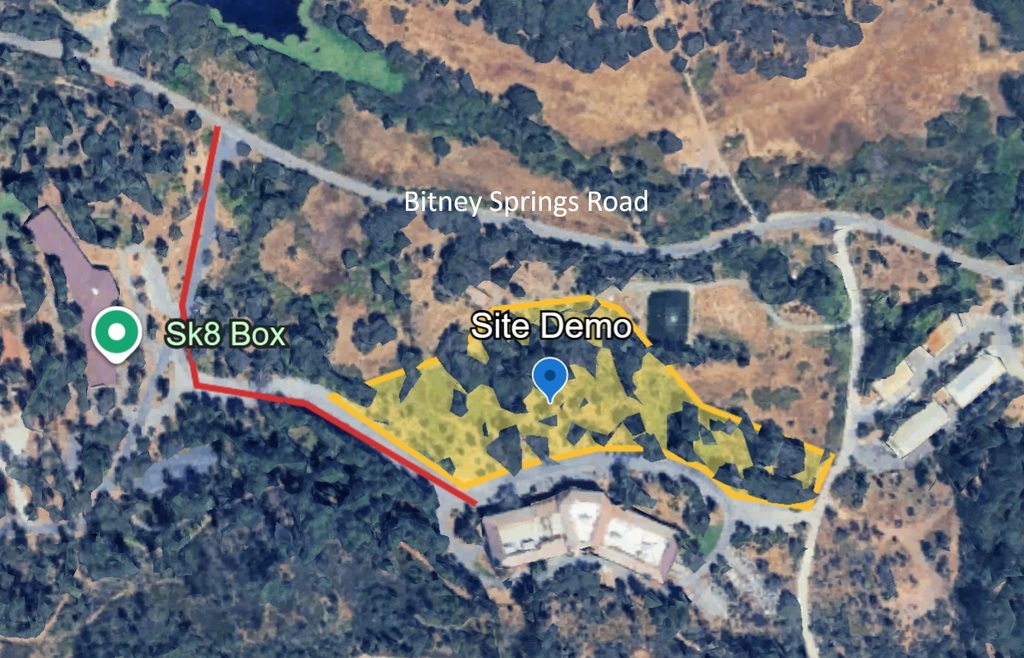
Nevada City School of the Arts
13032 Bitney Springs Rd, Nevada City, CA 95959
Overview
The Biochar Kiln Exposition is a full-day, interactive demonstration of community-scale flame-cap kilns, portable pyrolysis systems, and hands-on carbon stewardship. Designed for newcomers, landowners, educators, scientists, and seasoned biochar practitioners alike, this event showcases practical, field-proven methods for turning woody biomass into stable, high-quality biochar while strengthening ecological resilience.
Participants will experience a live, working “carbon classroom,” featuring side-by-side demonstrations of Ring of Fire kilns, ROCC kilns, FlameWise units, and other innovative designs currently used across the United States for decentralized fuels reduction and soil restoration.
Purpose
The exposition is built around a simple but powerful intent:
To show communities how controlled flame-cap pyrolysis can convert forest slash, pruning residues, and hazard fuels into long-lasting, beneficial carbon.
Throughout the day, attendees will learn how biochar supports:
Watershed health
Soil organic matter and fertility
Erosion control
Filtration and contaminant binding
Hydrological flow and infiltration
Air quality improvement
Soil decompaction
Long-term carbon sequestration
Nutrient cycling
Forest and land stewardship
The event is both educational and experiential — teaching not just what biochar is, but why it matters and how to make it responsibly.
Event Format
The exposition is structured as a dynamic field demonstration, with multiple kilns operating simultaneously across the site. Visitors can observe ignition, feeding, flame-cap formation, oxygen-limited carbonization, quenching, and final char handling.
Morning Setup (8:00–10:00 AM)
Kiln operators and event staff arrive, review safety protocols, sign liability waivers, and prepare burn zones. Kilns begin staged ignition as guests start arriving. Many alternative kiln types will be active before the main ceremony, creating an immersive, multi-kiln environment.
Indoor Presentation (10:00–10:30 AM)
A brief indoor session sets the context for the day’s activities, covering flame-cap mechanics, pyrolysis principles, and ecological benefits of distributed carbonization.
Ceremonial Ring of Fire Lighting (10:30 AM–12:15 PM)
Biochar Coalition operators ignite the central Ring of Fire kiln — the final kiln to start — followed by a short educational presentation before attendees disperse to explore each active burn station.
Quenching & Closing Demonstration (12:15–1:00 PM)
Kilns ready for quenching are cooled with water; guests are invited to participate and learn proper quenching technique, ash conditioning, and safe char recovery.
After-Hours Learning (1:00–4:00 PM)
For those wishing to continue, additional operators may keep burning, allowing visitors to deepen their understanding of full-cycle kiln operation, fuel stacking techniques, and workload capacity over a 5–6 hour burn window.
Hands-On Learning
Participants will have direct exposure to:
How to safely operate a flame-cap kiln
How to load, feed, and manage biomass
How oxygen is managed through flame-cap stratification
How different kiln shapes affect char yield
Best practices for producing clean, high-carbon biochar
How to properly quench and handle finished biochar
The exposition emphasizes empowerment: people learn how they can create stable carbon using accessible, community-scale tools — not industrial machinery.
Equipment & Preparation
Visitors will see and interact with real tools used for land stewardship, including shovels, McLeods, pitchforks, loppers, and personal protective equipment. Water access is essential, and demonstration burns may require 100–150 gallons of water per Ring of Fire quench. Biomass will be pre-staged according to each kiln type’s capacity and feedstock requirements.
Why This Matters
The Kiln Exposition is about much more than burning slash — it's about restoring our relationship with fire and understanding carbon as a regenerative resource.
As the conclusion of your document states:
This event represents a pathway toward decentralized, community-driven biomass management, healthier forests, enriched soils, and a culture that treats carbon as a tool for renewal rather than waste.
With diverse kilns, skilled operators, land stewards, and community learners all in one place, attendees get an honest, accessible look at what local carbon stewardship can achieve.
A Model for Regional Resilience
The Biochar Coalition’s goal is simple:
Show what becomes possible when people come together with intention, knowledge, and respect for the land.
We aim for attendees to leave inspired, informed, and prepared to contribute to a more resilient, fire-adapted future — one where hands-on carbon practice becomes part of everyday community stewardship.